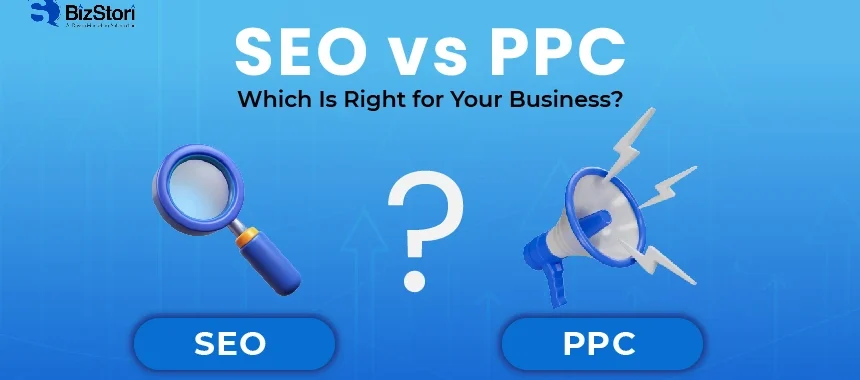
SEO vs PPC: Which Is Right for Your Business?

When it comes to driving traffic to your website, two powerful strategies dominate the conversation: Search Engine Optimization (SEO) and Pay-Per-Click (PPC) advertising. Both are designed to place your brand in front of potential customers using search engines like Google, but they operate in fundamentally different ways. Choosing between SEO vs PPC isn’t just about budget; it’s about understanding your business goals, timeline, and how you want to build your online presence.
This guide will break down the core differences between SEO and PPC. We will explore the unique benefits of each, analyze how modern search technology like Natural Language Processing (NLP) impacts them, and help you decide which strategy—or combination of both is the right fit for your business.
What is SEO (Search Engine Optimization)?
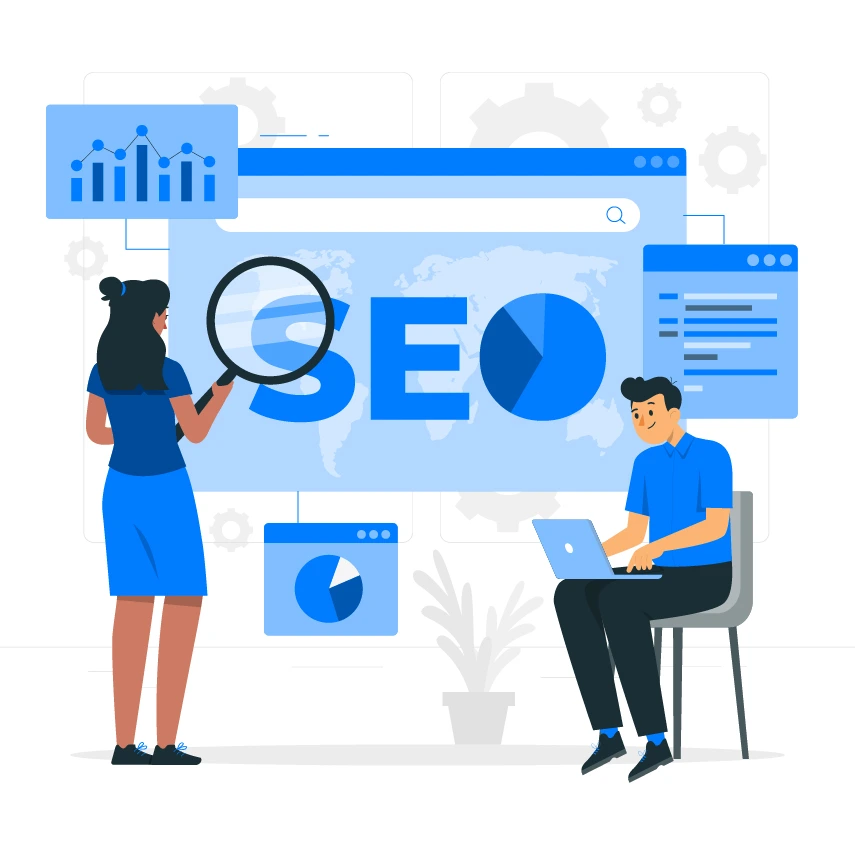
Search Engine Optimization is the practice of improving your website to increase its visibility in organic (non-paid) search engine results. The goal is to earn traffic by ranking highly for keywords relevant to your business. SEO is a long-term strategy focused on building a sustainable foundation of authority and trust with both users and search engines.
Think of SEO as building brand equity. The work you do today—creating quality content, improving site speed, and earning backlinks—compounds over time, leading to a steady stream of “free” traffic.
Key Characteristics of SEO:
- Organic Results: Appears in the main search listings, which many users trust more than ads.
- Long-Term Strategy: It can take months to see significant results, but the benefits are lasting.
- Builds Authority: High rankings signal to users that your site is a credible and authoritative source.
- Holistic Approach: Involves technical site health, content quality, and off-site reputation.
What is PPC (Pay-Per-Click)?
Pay-Per-Click is an advertising model where you pay a fee each time one of your ads is clicked. The most common form of PPC is paid search advertising, where your ads appear at the top and bottom of search engine results pages, clearly marked with an “Ad” label. Platforms like Google Ads and Microsoft Advertising operate on a real-time auction system, where advertisers bid on keywords.
PPC is about renting visibility. As soon as you stop paying, your ads disappear. It’s an excellent strategy for generating immediate traffic and targeting specific demographics with precision.
Key Characteristics of PPC:
- Paid Results: Ads are displayed prominently at the top of the search results page.
- Immediate Impact: Campaigns can be launched quickly and start driving traffic within hours.
- High Control: You have granular control over budget, ad copy, landing pages, and audience targeting.
- Performance-Based: You only pay when a user takes a specific action (a click).
SEO vs PPC: A Head-to-Head Comparison
Understanding the core differences is key to making an informed decision. Let’s compare them across several critical factors.
1. Cost and Investment
- SEO: The investment is primarily in time and resources (content creation, technical optimization, outreach). While not “free,” there is no direct cost for traffic. The cost is front-loaded, but the long-term ROI can be substantial as clicks from organic rankings don’t have a per-click fee.
- PPC: Involves a direct advertising spend. You set a budget and pay for every click. This can become expensive for competitive keywords. However, the budget is predictable and can be scaled up or down based on performance.
2. Speed of Results
- SEO: This is a marathon, not a sprint. It can take anywhere from 3 to 12 months to build enough authority to rank for competitive terms. The results, once achieved, are often stable and long-lasting.
- PPC: Offers near-instant gratification. A new campaign can be live and driving targeted traffic to your site on the same day it’s created, making it ideal for product launches, promotions, or quick market entry.
3. Traffic Potential and Ceiling
- SEO: The potential traffic from SEO is immense. A top-ranking page can attract a massive volume of clicks 24/7 without any incremental cost. The ceiling is determined by the search volume for your target keywords.
- PPC: Your traffic is directly limited by your budget. Once your daily or monthly budget is exhausted, your ads stop showing, and the traffic stops. While you can always increase your budget, it directly increases your cost.
4. Trust and Click-Through Rate (CTR)
- SEO: Studies consistently show that users trust organic results more than paid ads. This often leads to higher click-through rates for top organic positions compared to their paid counterparts on the same results page.
- PPC: While effective, some users are “ad-blind” and intentionally skip over paid results. However, well-crafted ads that perfectly match user intent can achieve very strong CTRs, especially for commercial or transactional keywords.
The Role of Semantic Search and NLP
Modern search engines do more than just match keywords. They use advanced AI like Natural Language Processing (NLP) to understand the context, intent, and meaning behind a search query. This is the foundation of semantic search.
- For SEO: Semantic search rewards high-quality, comprehensive content that thoroughly answers a user’s question and covers related subtopics. Creating a “topic cluster”—a main pillar page with several supporting articles—helps search engines see your site as an expert. This means writing naturally about your subject, not just stuffing keywords.
- For PPC: NLP impacts PPC through features like Broad Match keywords and Dynamic Search Ads. Google uses its understanding of language to show your ads for queries that are semantically related to your keywords, even if they don’t contain the exact phrase. This helps you capture relevant traffic you might have missed.
When to Use SEO
SEO is the best choice for businesses focused on sustainable, long-term growth. You should prioritize SEO if you want to:
- Build a credible brand and become an authority in your industry.
- Create a long-term asset that generates consistent, cost-effective traffic.
- Target informational keywords by creating valuable content like blog posts and guides.
- Establish a foundation for all your digital marketing efforts.
When to Use PPC
PPC is ideal for achieving specific, time-sensitive objectives. You should prioritize PPC when you need to:
- Generate traffic and leads immediately.
- Promote a limited-time offer, event, or product launch.
- Test new products, messaging, or landing pages quickly.
- Target highly specific demographics or geographic locations.
- Dominate the search results for high-intent, bottom-of-the-funnel keywords.
SEO and PPC: Better Together
The most powerful digital marketing strategy often isn’t SEO vs PPC, but SEO and PPC working in harmony.
Here’s how they complement each other:
- Keyword Data Sharing: PPC campaigns provide immediate data on which keywords convert best. This valuable insight can then be used to prioritize your long-term SEO content strategy.
- Total SERP Domination: By running ads for keywords you already rank for organically, you can own more real estate on the search results page, pushing competitors down and doubling your chances of getting a click.
- Remarketing: You can use PPC to run remarketing campaigns that target users who previously found your site through organic search, bringing them back to complete a purchase.
- Filling the Gaps: While you work on ranking for competitive keywords with SEO, you can use PPC to maintain visibility and capture traffic for those terms immediately.
Final Thoughts
Ultimately, the choice between SEO and PPC depends on your budget, business model, and growth timeline. SEO is an essential long-term investment in building a valuable digital asset that generates organic growth. PPC is a powerful tool for driving immediate, targeted traffic and achieving short-term goals.
For most businesses, the winning formula is not to choose one over the other but to leverage the strengths of both. By integrating SEO and PPC, you create a comprehensive search marketing strategy that delivers both immediate wins and sustainable, long-term success.